ACV Gummies vs. Liquid: Does The Research Still Apply?
Most published apple cider vinegar research uses the liquid form, typically diluted in water before a meal. Gummies are a genuinely different delivery method.
Here's what changes, and what buyers should realistically expect.
What the original research actually tested
Studies on apple cider vinegar and blood sugar response typically used measured liquid doses, often 1-2 tablespoons diluted in water, consumed shortly before or with a meal. This delivers a specific, known amount of acetic acid at a specific time relative to eating.
What's different about gummies
Acetic acid content per serving is often lower. A gummy labeled with a total milligram figure for its “ACV complex” doesn't necessarily deliver the same acetic acid concentration as a full tablespoon of liquid vinegar.
Timing is less controlled. Liquid ACV protocols in research are typically taken immediately before meals; gummy products are often taken on a fixed daily schedule regardless of meal timing.
Processing may affect the acetic acid. The gummy-making process (heating, combining with other ingredients, gelling agents) could plausibly affect the final acetic acid content, though this isn't something typically verified by third-party testing for most consumer products.
What buyers should realistically expect
A gummy is far more pleasant to take consistently than a daily vinegar shot, and consistency itself matters for any potential benefit to show up. But it's reasonable to expect a milder, less precisely-dosed effect than the specific liquid protocols used in published trials.
What this doesn't mean
It doesn't mean gummy ACV products are ineffective or a waste of money. It means the specific research findings for liquid ACV shouldn't be assumed to transfer one-to-one to every gummy product on the market.
How this applies here
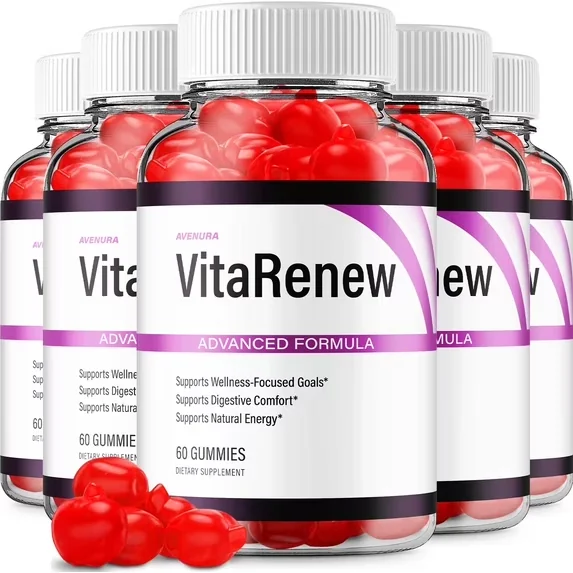
VitaRenew delivers its ACV as a 1000mg “complex” within a gummy, not a measured liquid dose. See our full honest verdict for how we weighed this.