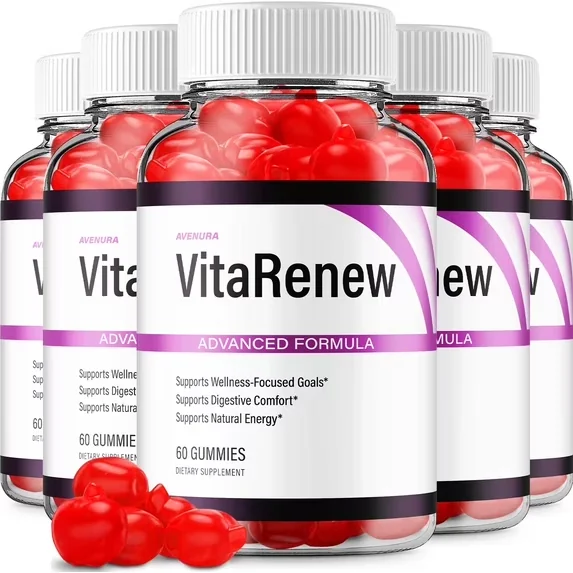
When Two Products Share The Same Name
Brand names in the supplement and wellness space are surprisingly easy to duplicate accidentally, or even reuse deliberately, across completely unrelated products.
Here's why naming collisions happen, and how to make sure you're reading about the right product.
Why this happens
Generic, appealing naming patterns. Words like “Renew,” “Vita,” “Pure” and “Restore” are popular across the entire wellness industry because they sound appealing and benefit-focused — which also makes collisions more likely as more brands launch.
Independent brand launches with no coordination. Trademark registration is often category-specific and jurisdiction-specific, so a skincare brand and a supplement brand can sometimes legally use very similar names without either being aware of the other.
Brand relaunches or reuses. Sometimes a name becomes available again after a company discontinues a product line, and a completely different company later adopts the same name for an unrelated product.
Why this matters for buyers
Reviews, warnings, and red flags about one product can easily surface in search results alongside an entirely different product sharing the same name — sometimes making a perfectly legitimate product look suspicious by association, or vice versa.
How to check you have the right product
1. Compare the product category. If a review discusses skin serums but you're looking at a supplement gummy, you're likely looking at two different products despite the shared name.
2. Compare the ingredient list. Genuinely different products under the same name will have entirely different formulas.
3. Compare the product images. Packaging design, colors and stated brand sub-name (if any) often differ even when the primary product name is identical.
How this applies here
VitaRenew the apple-cider-vinegar gummy shares its name with at least one unrelated skincare product. This guide covers only the ACV gummy pictured throughout this site. See our full honest verdict for the complete picture.